Drain Repairs vs Drain Relining: Which Works Best for Watford Homes?
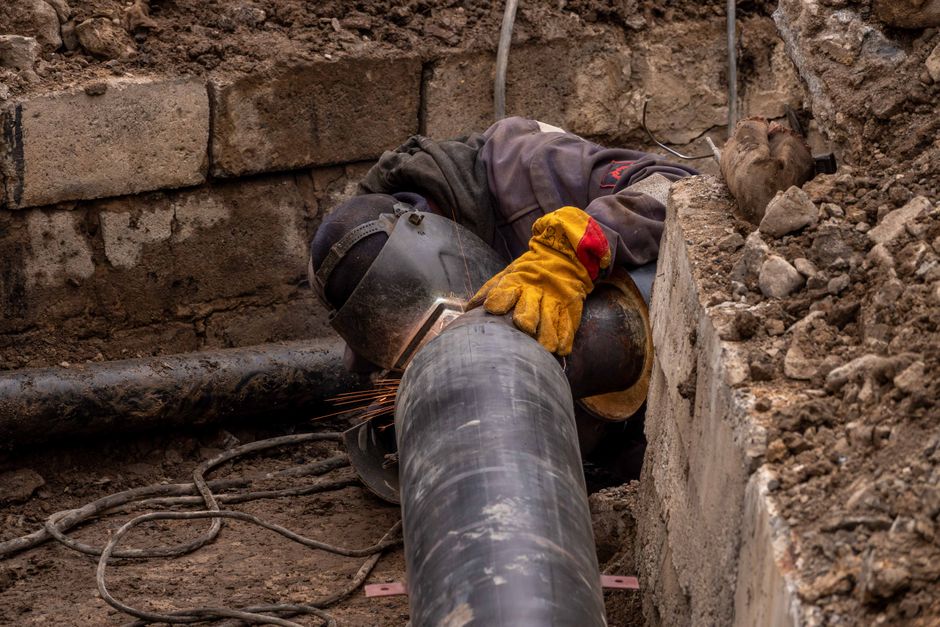
If you live in Watford or the surrounding Hertfordshire areas like Borehamwood or Bushey, understanding how to deal with damaged drains can save you time and money. Two main options exist for fixing drains: traditional excavation repairs and the newer no-dig method called drain relining. Each has its own advantages and drawbacks depending on the type and extent of the damage.
Choosing between these repair methods isn't always straightforward. Knowing how they work and what suits your property’s situation can help you make an informed decision. This guide explains the differences between drain repairs and drain relining, assessing their pros and cons to help homeowners across places like Kings Langley or Garston decide which approach is best.
What Are Traditional Drain Repairs?
Traditional drain repairs involve physically digging up the damaged section of pipework to remove or replace it. This excavation process exposes the affected drains, allowing contractors to assess the problem closely and either patch cracks or swap out broken pipe sections. This method has been the standard for many years and is well understood by drainage professionals across Hertfordshire.
While thorough, excavation can be disruptive to your garden, driveway, or any hard landscaping around your Watford home. The digging process often requires heavy machinery and can take several days, depending on the damage's extent and location. Repairing old Victorian-era drains in Abbots Langley or Aldenham sometimes requires this hands-on approach due to the pipe materials and condition.
On the plus side, traditional repairs allow for complete removal of damaged sections, ensuring the new pipework is fully secure and can handle flow effectively. It's also generally easier to fix complex structural problems with this method, such as collapsed pipes or severe blockages caused by tree root infiltration.
Understanding No-Dig Drain Relining
Drain relining is a trenchless technology that repairs damaged pipes from the inside without excavation. A flexible lining coated with resin is inserted into the existing drain and inflated, hardening to form a new pipe within the old one. This method effectively seals cracks and leaks and can extend the lifespan of the pipework considerably.
Relining works well for small to moderate cracks and corrosion where the pipe remains structurally sound. It is less suitable when pipes have collapsed or are severely damaged, as the lining relies on the existing pipe to hold its shape. Locally in Hertfordshire towns like Letchmore Heath or Holywell, this method is gaining popularity due to its minimal disruption.
One of the chief benefits of drain relining is avoiding extensive digging. This preserves gardens, paths, and drives which are common features in properties around Watford and nearby villages. The process is generally faster and often completed within a single day, making it attractive for busy homeowners.
Advantages of Traditional Drain Repairs
Traditional repairs offer a thorough solution, allowing full visual inspection and removal of the damaged pipe sections. This means any underlying problems like root intrusion or severe pipe collapse can be directly addressed, reducing the chance of further issues shortly after repair.
For older properties in Watford or Borehamwood with complex underground pipe networks, excavation can uncover hidden defects that might be missed with lining. It also allows for replacement with modern pipe materials that may improve long-term reliability.
Despite the disruption, traditional repairs can be the most cost-effective option for extensive damage. When blockages are caused by heavy debris or tree roots have grown through pipes, simply lining the pipe may not be sufficient, making digging inevitable.
Benefits of Drain Relining for Hertfordshire Homes
Relining is less invasive, resulting in reduced disturbance to the home's exterior and faster job completion. For residents in areas like Garston or Kings Langley where gardens and drives are well maintained, this can be a significant advantage. Avoiding large-scale excavation means less mess and fewer repairs to landscaping afterwards.
The no-dig approach also minimises health and safety risks associated with excavation work. It is an environmentally friendlier option because it preserves the existing soil structure and reduces waste materials produced by removing old pipes.
Additionally, drain relining often carries a longer warranty period because the new lining forms a seamless, jointless pipe inside the old one. This reduces leak risks and improves flow efficiency, which benefits both homeowners and the local drainage system.
Common Limitations of Each Method
Traditional repairs can be disruptive, costly, and time-consuming. Excavation work might damage drives or gardens, especially in properties with limited access typical in parts of Watford or Aldenham. Weather can also delay these repairs, especially during wetter months prevalent in Hertfordshire.
Drain relining, while convenient, cannot fix pipes that are severely collapsed or misaligned. If your drainage system has shifted due to ground movement or tree root invasion is extensive, relining may only serve as a temporary fix. It's also not always suitable for very old or brittle pipe materials which might crack during the lining process.
Another limitation of relining is that it reduces the internal diameter of the drain slightly, which could influence flow if the pipe is already narrow or heavily used. This is worth considering if your home in Bushey or Holywell experiences frequent blockages.
How to Decide Which Repair Suits Your Drain
The choice between drain repairs and relining depends largely on the condition and type of damage, your property’s location, and budget considerations. Start with a CCTV drainage survey—widely available in Hertfordshire—to accurately diagnose the problem and recommend suitable options.
If the survey reveals minor cracks, leaks, or corrosion but the pipe remains structurally sound, relining often presents the best balance of effectiveness and convenience, especially for Watford homes with valuable landscaping to protect.
However, if there is pipe collapse, severe root damage, or large sections of pipe failure, traditional excavation repair is usually necessary to restore proper function. In such cases, asking about anticipated disruption and restoration services can help you prepare for the process within your community.
Local Drainage Considerations for Watford Area
Properties in Watford and neighbouring towns like Abbots Langley or Letchmore Heath often have older drainage infrastructure, which may influence repair choices. Pipes installed decades ago might be made of clay or cast iron, materials prone to cracking or disintegration over time.
Soil type in Hertfordshire can also affect drainage performance. Clay soils prevalent around Aldenham and Kings Langley tend to retain water longer and can contribute to pipe movement or root growth, increasing repair complexity.
When choosing between excavation and relining, consider factors like property access, landscaping, and local weather patterns. Consulting with a drainage specialist familiar with Watford’s conditions can provide tailored advice ensuring you select the most durable, cost-effective repair method.
Need a drainage expert in Watford?
Call 01923 590204